

I swung for the fences once. When I immigrated to America at the age of 16, and decided to try and go the college route (with a very vague idea of how to pay for it) rather than finish high school in Germany.
Since then, I’ve never swung for the fences again.
That’s not modesty. I never had a bet where I sat there thinking this is the one. IdeaMensch was never going to IPO. My commercial real estate was never going to 10x. The index funds were doing what index funds do - performing like the market.
Every bet I made was a single or a double. Or I guess a quick out.
Side projects making a few hundred bucks a month. A small property breaking even. A consulting retainer that would cover a car payment. Mind you, I drive a 20-year-old car that I bought used 13 years ago. None of it makes for a good story at a dinner party.
But when you hit singles for twenty years, then you score a lot of runs.
It feels to me the world is obsessed with home runs. Startup culture worships it. Finance Twitter worships it. Finance Twitter worships a lot of things. The whole economy seems organized around the idea that one enormous win is the way out. Sure feels that way right now with all the AI hype.
Sometimes it is. I know people who hit home runs. One sold his company for millions and millions. Another got in early on the right stock and actually held it for a couple of decades. Rhymes with Mvidia. A third bought bitcoin when it cost the price of a pizza.
Everybody focuses on how often the big swing misses. What gets me is what a single miss costs. Money off the table, obviously. Time too, and time is the part you don’t get back. A bad enough swing takes you out of the game altogether. Then there’s the mental toll, which is what gets to me. You’re hoping for the insane return, and the whole time some corner of your brain knows the odds are low and the downsides are everywhere you look.
Singles don’t do that.
I bought commercial real estate at a 5% cap rate. Most investors wanted 6% or better and wouldn’t look at anything below it. The buildings I bought had solid tenants and long leases and rent that showed up every month, which sounds like the whole job to me, but it wasn’t exciting enough for people chasing bigger numbers. So I bought under asking. I’d love to tell you that was negotiating skill. Nobody else was bidding against me.
That’s what happens when you lower the bar, just slightly. The competition thins out. Those buildings make less than they would have at a higher cap rate. They’ll also keep making it for decades, I hope.
When a small bet doesn’t work, you barely feel it, and I’ve had a few.
Metered Success was a book about how to fight parking tickets. This was the early 2000s. I still think it was a great idea and I’m not being ironic about that. The problem was that I had no business writing it. I didn’t even own a car.
ProsUse was a gear recommendation site, focused on the gear “low key” pro athletes used in non-mainstream sports. Good idea, but I didn’t know any “low key” pro athletes in non-mainstream sports.
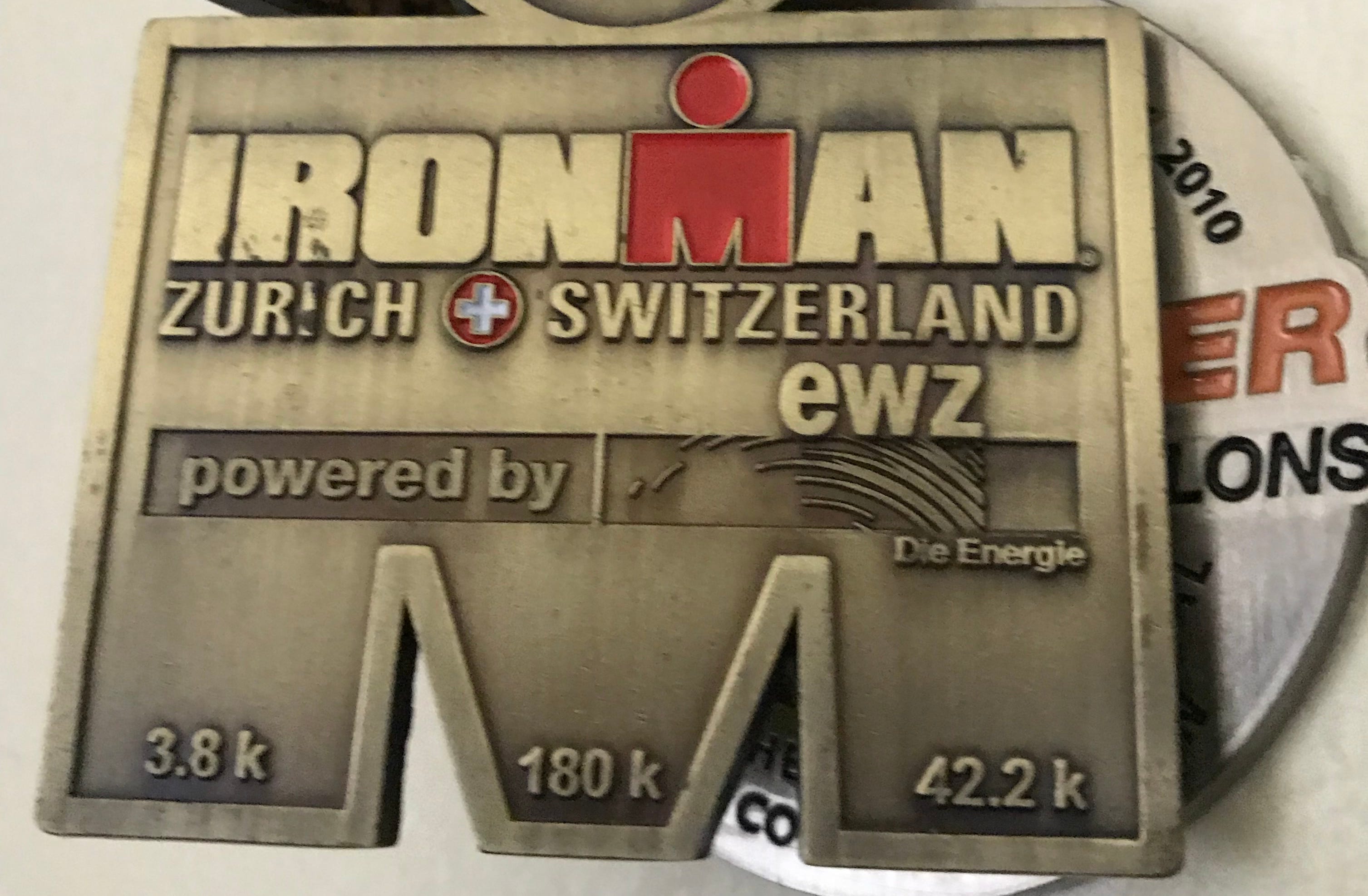
TriAnswers was a question-and-answer site for triathletes, which came from the 12-month period of my life when I was real gung-ho about triathlons. I did finish an Ironman, which, come to think of it, I won’t shut up about at dinner parties.
But regarding these bets, none of these ideas went anywhere. And there were dozens more. And I am sure there will be more to come.
The losses were small enough that they disappeared into everything else.
That’s the part nobody talks about. When the ceiling comes down, the floor comes up with it. A higher floor is what lets me sleep at night.
IdeaMensch was a single that turned into a double that’s been scoring regularly for a long time now. It took a decade to get there. It’s been running and hitting singles every month for another decade since. Nobody clapped at any point along the way. That one quiet bet funded the real estate, funded the index funds, funded a lot of things. The things it funded are funding more things in the future. And IdeaMensch is still funding, too.
One of those singles turned into a home run, more or less by accident. A consulting deal, half cash and half equity. The cash covered my downside and made the work worth doing. The other half of the retainer wouldn’t change my life either way (see 20-year old car,) so I took equity instead.
A maybe that cost me very little. A maybe that paid off on a scale I hadn’t planned for.
I still wasn’t swinging for anything, as I was trying to just hit another single. It just went a lot further than singles tend to go.
And I was so lucky in that I didn’t need that home run. The singles had already done the work by then.
A side project making $500 a month did the work.
A property that broke even and built equity did the work.
A skill that took five years and opened exactly one door did the work.
I still don’t have a good dinner party story.
Except that Ironman.
Have I told you I did an Ironman?