

Slow bets are a second-order game.
First-order effects are loud. You buy the thing, you feel good about the thing. You eat the burger, you enjoy the burger. Immediate. Satisfying. Done.
Second-order effects are quiet. You buy too many things, your savings evaporate. You eat too many burgers, your health degrades. They accumulate in the background, and by the time you notice them, they’ve already shaped your life.
Almost everything about slow bets feels wrong at first. You’re putting money into investments you won’t touch for decades. You’re working on a side project that makes nothing. You’re driving the same car while your friends are upgrading. You’re saying no to things that sound fun right now because you’re betting on something that pays off later.
Our brains are wired for immediacy. We overvalue what we can get right now and undervalue what’s larger but further away. That’s the reason most people never build wealth.
FOMO is the enforcer. Fear of missing out is what makes you break your own rules. Everyone else has a nicer house.
Everyone else seems to be living a bigger life. So you reach for the first-order win because it closes the gap right now.
JOMO is the antidote. Joy of missing out.
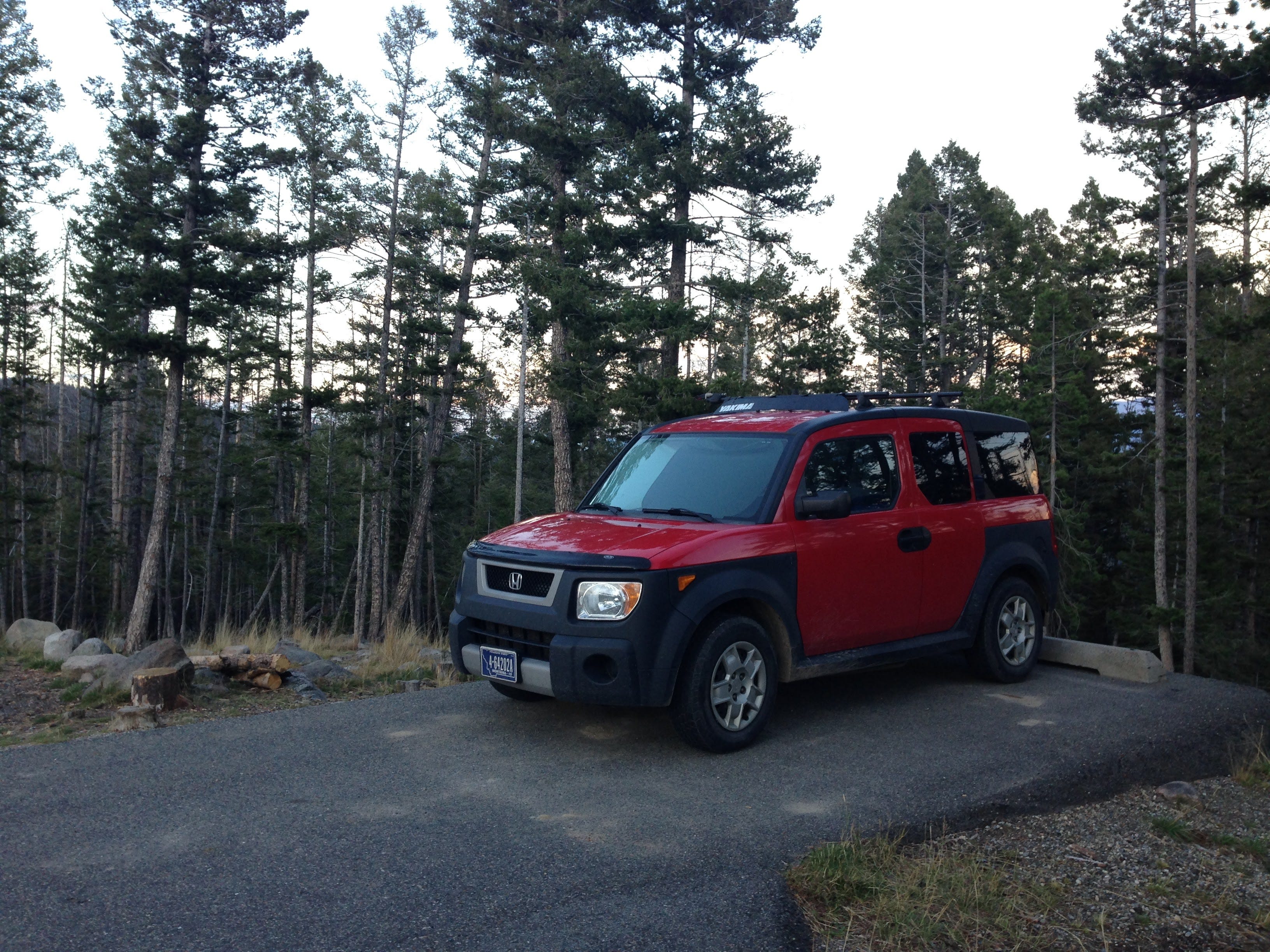
This sounds like a bumper sticker, but I mean it. There’s an actual feeling of relief when you stop trying to keep up. When someone tells me about their new car and I think about my 2006 Honda Element, I don’t feel envy. I feel light. That’s money I didn’t spend. That’s a bet I didn’t make. That’s margin I kept.
I won’t pretend this is easy.
We just lost out on a house here in Missoula. The FOMO was real. I wanted to throw more money at it, stretch beyond what made sense, just to win. I could have. Every instinct said go harder. Bid more. Don’t let this one get away.
I didn’t.
It stung. Still stings a little. But the math didn’t work at that price. And overpaying for a house because my ego got involved is the opposite of a slow bet.
JOMO is a muscle. The first few reps are brutal. Saying no when everyone around you is saying yes feels like you’re falling behind. But the more you do it, the easier it gets. You start to trust the process. You start to feel the weight of the money you kept instead of the loss of the thing you missed.
JOMO isn’t about deprivation. It’s about knowing the score.
If I reinvest $500 a month instead of spending it, what does that look like in ten years? The answer, with even modest returns, is a number that makes the thing I would have bought look silly.
Slow bets age better. They improve with repetition. They create options rather than remove them. The hustle that burns you out, the investment that spiked and disappeared, the career that looks impressive and quietly drains you - those don’t age well. Patience does.
Here’s a simple filter I use.
Before making a decision, I ask. Does this expand my future or shrink it?
A purchase I don’t need shrinks it. An investment in something boring expands it. A commitment that eats all my time shrinks it. A habit that compounds over years expands it.
And if saying no to the shiny thing feels uncomfortable - “c’est la vie,” as my French brother-in-law would say.
That discomfort is the price of admission.
JOMO is the reward.